 EN

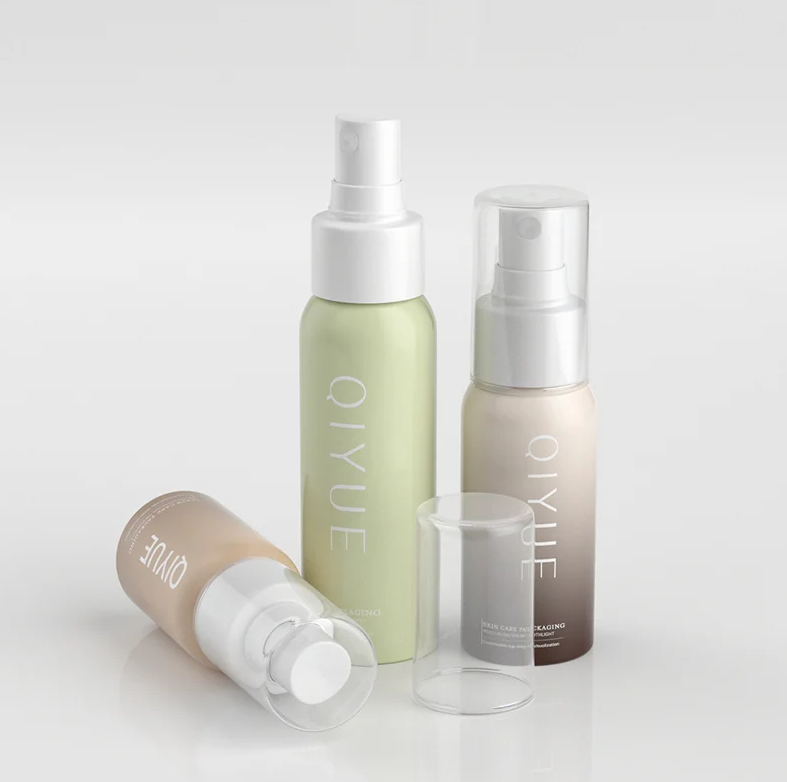
Start With the Formula, Not the Bottle
A skincare formula decides more about packaging than most brands admit. A plastic bottle for a vitamin C serum must resist oxidation and UV light. A retinol cream needs protection from air and light. A cleanser with surfactants may attack certain resins. Before picking a bottle shape or color, list the formula's pH, solvent content, active ingredients, and shelf life. That list narrows the field fast.
Some brands choose a bottle first and then ask the lab to make the formula fit. That backward approach causes leaks, discoloration, and label failure. Packaging engineers call this compatibility testing, and it should happen before mold design. A simple compatibility study can save a launch.
Material Choices That Match the Product
Resin selection is a balance of clarity, chemical resistance, cost, and recycling. PET gives strong clarity and good barrier for many water based formulas. PETG is tougher and easier to mold into thick walls, but it can be sensitive to some solvents. Polypropylene handles many essential oils and acids, yet it is not as clear. High density polyethylene is affordable and chemical resistant, but it looks opaque. Acrylic offers a premium glass like look, though it can crack under impact or stress.
The table below compares common options. Values are directional and depend on grade and wall design.
| Material | Clarity | Chemical resistance | Impact strength | Relative cost | Recycling stream |
|---|---|---|---|---|---|
| PET | High | Moderate | Good | Low to medium | Widely recycled |
| PETG | High | Low to moderate | Very good | Medium | Limited |
| PP | Low to medium | High | Good | Low | Increasingly recycled |
| HDPE | Low | High | Very good | Low | Widely recycled |
| Acrylic | Very high | Low | Low to moderate | Medium to high | Limited |
No single resin wins every category. A supplier that pushes one material for every brief is not solving the problem.
Wall Thickness, Weight, and Feel
Wall thickness affects top load, drop performance, and how the bottle feels in the hand. A thin wall saves resin and shipping weight, but it can flex when squeezed. That flex can feel cheap. It can also cause the label to wrinkle or the pump to misfire. A thick wall feels substantial, yet it adds cost and carbon.
A practical approach is to set a minimum top load and drop height, then reduce weight until those limits are nearly reached. In one project with a skincare brand in southern China, a 100 mL bottle was reduced from 22 g to 15 g. The first trial passed drop tests but failed a 40 kg top load test after 48 hours of stacking. The fix was a small change to the shoulder radius and a switch to a higher molecular weight resin. The final bottle hit 15 g and passed both tests. The lesson is that lightweighting is a system change, not a resin swap.
Closure, Dispensing, and User Experience
The closure is where most leaks and complaints start. A pump, disc top, or dropper must match the neck finish, the formula viscosity, and the filling line torque. A pump that works on a lotion may drip with a thin serum. A dropper that looks elegant may be slow to use. Test the full assembly with the actual formula before mass production.
-
Check neck finish against a controlled drawing.
-
Run torque tests at the filling line speed.
-
Test the closure after simulated shipping and storage.
-
Ask real users to open, dose, and close the bottle.
Small details matter. A liner that swells with essential oils will leak. A pump gasket that hardens over time will fail. These issues rarely show up in a sample room. They show up in the warehouse or in the customer's bathroom.
Decoration and Shelf Impact
Decoration sells the first bottle and keeps the second one from being returned. Spray coating, hot stamping, silk screen, and labels all interact with the resin. A coating that looks perfect on virgin PET may not adhere to recycled PET. A label adhesive may leave residue or peel in humidity. A shrink sleeve can hide a beautiful bottle shape.
Test decoration after filling, not before. Some solvents in the formula can migrate through the wall and attack the print. A simple tape test and a humidity chamber test can catch problems early. Also consider how the bottle looks on a shelf next to competitors. A clear bottle with a clean label often reads as premium. A heavily decorated bottle can look busy.
Testing and Supplier Vetting Before Mass Production
A plastic bottle is only as good as its test plan. Ask for drop tests, top load tests, torque tests, and transit tests. ASTM D4169 and ISTA 3A are common references for shipping. A supplier that resists testing or offers only a basic carton check is a risk. Also review mold maintenance records, resin traceability, and dimensional reports.
A practical scorecard can separate serious suppliers from order takers. Score material documentation, process control, decoration capability, and communication. A supplier that scores well on price but poorly on process control often costs more over a full launch. A supplier that scores well across the board may cost a little more upfront, but it makes the launch predictable.
For brands comparing options, Qiyue has spent over a decade building cosmetics packaging with in house mold development, injection and blow molding, decoration, and supply chain coordination. That range helps catch bottle issues before they reach a filling line. The right plastic bottle supplier is not the one with the lowest quote. It is the one that makes the launch boring in the best way.