 EN

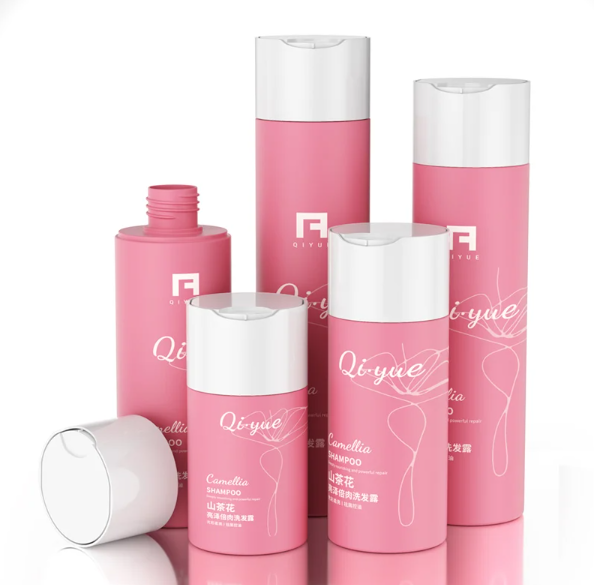
Real trade‑offs between visual design and practical container performance
Many cosmetic brands prioritize eye‑catching visual concepts during early development for bottle packaging, without accounting for hard physical constraints of mass‑produced containers. A visually striking silhouette may fail basic sealing tests, leak during transit, or create inconsistent dosage when paired with standard pump mechanisms. Surface decorative treatments such as deep embossing or full‑body metallic plating can also interfere with thread matching for screw‑on caps. Brand teams often overlook these engineering limits until prototype samples arrive. Balanced solutions treat aesthetic styling and functional requirements as parallel priorities instead of competing goals. Every curve, surface finish and component fit needs validation before full‑scale tooling moves forward.
Practical field case from mid‑tier skincare product rollout
One mid‑sized skincare brand pushed forward a custom curved bottle concept intended for a serum line. Design renderings delivered soft flowing contours that aligned perfectly with brand visual identity. Initial prototype batches looked impressive on marketing mockups. Once samples went through standard ISTA 3A shipping simulation testing, multiple units showed cap thread slippage and minor liquid seepage. The narrow curved neck section reduced contact surface area for cap engagement. Engineering teams adjusted wall thickness and reshaped the neck geometry while keeping the outer silhouette unchanged. Revised samples passed leak and vibration testing, preserving brand aesthetics without sacrificing container performance. This real‑world project highlights how cosmetic packaging needs cross‑functional review before mass production.
Core comparison of common bottle packaging material traits
Material selection shapes both outward appearance and day‑to‑day usability for finished cosmetic goods. Different polymer and glass substrates deliver distinct trade‑offs for brand‑driven design and real‑world function. The table below compares widely used container materials referencing cosmetic packaging industry technical specifications.
| Material Type | Visual Aesthetic Potential | Key Functional Strength | Common Practical Drawbacks |
|---|---|---|---|
| PET Plastic | Wide color and finish options | Light weight, good drop resistance | Limited chemical compatibility with high‑alcohol formulas |
| PP Plastic | Matte or frosted surface finishes | Strong chemical resistance | Lower gloss limits premium visual effects |
| AS Acrylic | High gloss crystal‑clear appearance | Rigid smooth texture | Vulnerable to stress cracking under shipping stress |
| Soda‑lime Glass | Premium transparent or tinted look | Excellent barrier for active ingredients | Heavy, higher breakage risk in distribution |
How structural features support brand identity beyond printed graphics
Brand expression inside bottle packaging extends far beyond screen‑printed logos or label artwork. Neck proportions, shoulder angles and wall contour all carry subtle brand messaging. Vacuum bottle structures for oxidation‑prone serums can integrate custom shaped pistons that match overall brand language. Ergonomic grip zones molded into bottle bodies improve end‑user handling while reinforcing recognizable visual language. Many product lines waste opportunities here, selecting generic off‑the‑shell bottle bodies and relying solely on stickers to build brand recognition. Smart structural choices make brand character part of the physical container itself, rather than something applied on top.
Sustainability requirements adding new layers of design constraints
Global market regulations push higher standards for recyclability for cosmetic containers, as outlined under EU PPWR provisions and local regional packaging standards. Design teams face new constraints while chasing brand‑aligned aesthetics. Multi‑material composite assemblies with mixed metal, rubber and plastic components hurt recyclability performance. Decorative heavy metallic plating can interfere with material sorting during recycling workflows. Design iterations need to evaluate recyclable structure alongside visual look and sealing performance. Certain premium surface effects require modification to keep compliance targets reachable. Sustainable upgrades do not force brands to accept plain generic appearances, but they demand earlier collaboration between designers and material specialists.
Validation workflows that reduce risk for finished packaging launches
Even well‑conceived bottle packaging can create market headaches without structured testing before release. Standard validation steps cover several critical dimensions.
- Run compatibility testing between container material and actual cosmetic formula to prevent discoloration or component degradation.
- Complete simulated shipping tests to reproduce vibration, drop and temperature shifts seen in global logistics chains.
- Verify ergonomic performance with real‑user handling checks for pump actuation, opening motion and grip comfort.
- Confirm decorative processes such as printing or hot stamping hold up against regular surface rubbing.
Skipping any of these validation steps raises odds for costly post‑launch defects. Qiyue Industrial maintains integrated workflows covering research, design and volume manufacturing for cosmetic container projects. Its operational setup supports balanced development where functional performance and brand‑focused visual design advance through every project phase.
Table of Contents
- Real trade‑offs between visual design and practical container performance
- Practical field case from mid‑tier skincare product rollout
- Core comparison of common bottle packaging material traits
- How structural features support brand identity beyond printed graphics
- Sustainability requirements adding new layers of design constraints
- Validation workflows that reduce risk for finished packaging launches