📦 Single-Dose Ampoule Box Series: Rigid Lid-and-Base Presentation Box Built Around Unit-Dose Skincare
🌟 Product Highlights
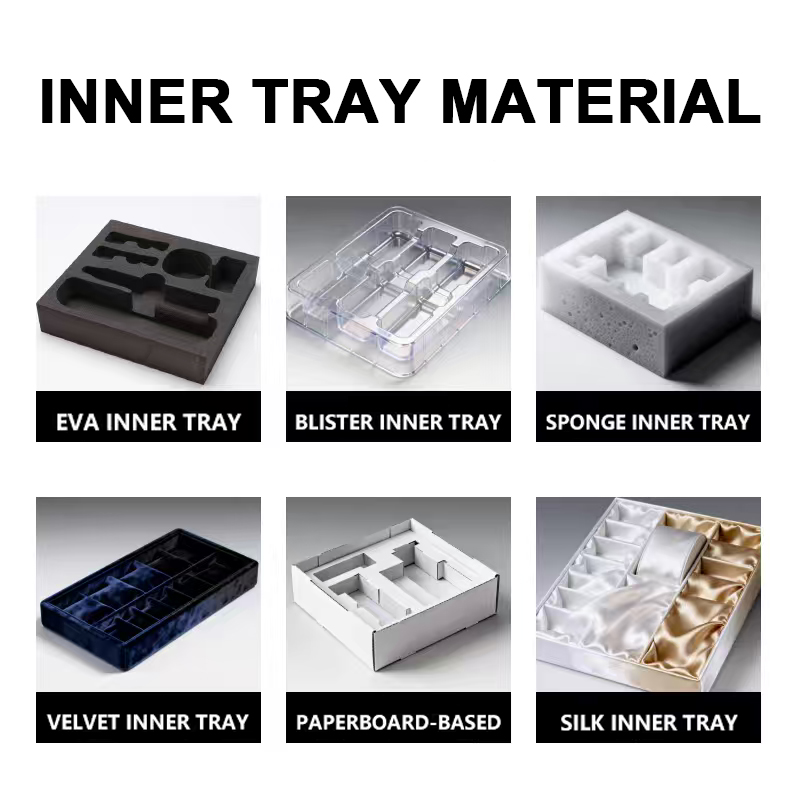
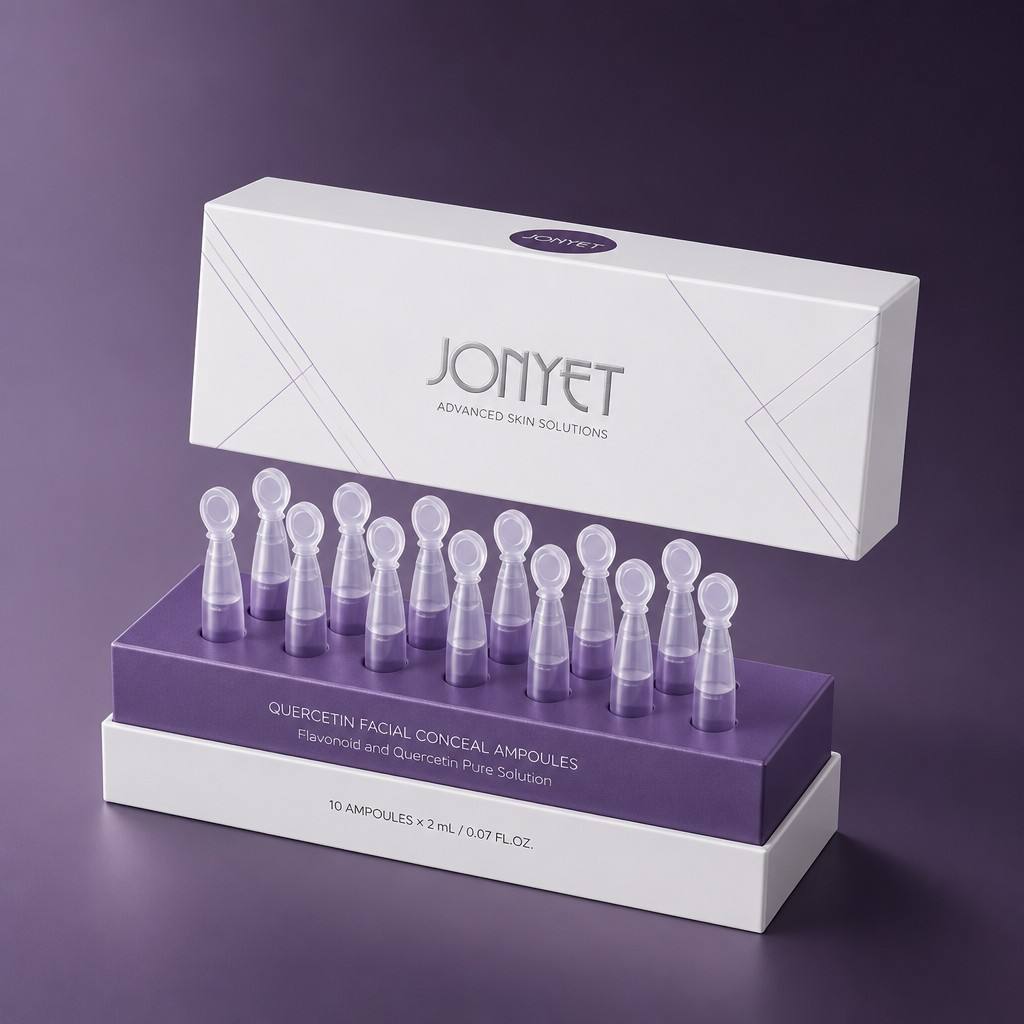
• 💧 Purpose-Built for Single-Dose (Unit-Dose) Skincare — Not a Generic Gift Box: This box is designed from the inside out for 次抛 / single-dose ampoule sets — one-shot, unit-dose vials presented as a complete treatment course. The insert tray is not a filler: it is a die-cut cavity carrier that holds each ampoule upright, individually seated, so the pack reads as a clinical dosing system rather than a decorated carton. Where a standard gift box is dimensioned around an object, this box is dimensioned around a dosage format.
• 🧪 The Single-Dose Format, Presented Properly: Unit-dose ampoules exist for formulations that cannot tolerate an open bottle — preservative-reduced or preservative-free concentrates, actives that oxidise once exposed to air, and dosages that must be exact every time. That promise only survives to the customer if the pack protects it: the cavity tray keeps each ampoule separate and upright, prevents glass-on-glass contact, and makes the count immediately visible the moment the lid comes off. The box is the proof that the product inside is genuinely single-use.
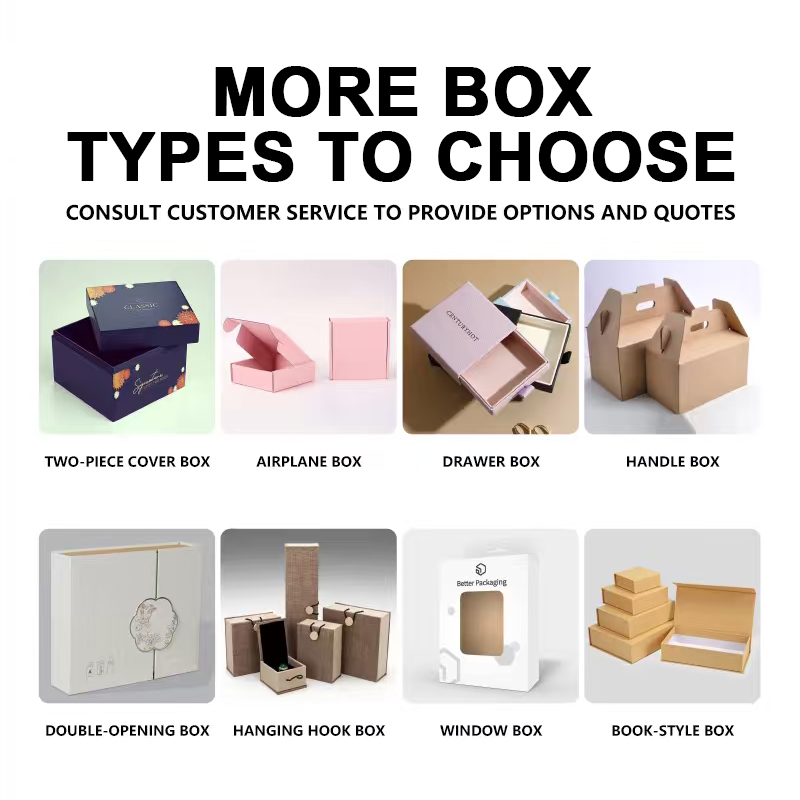
• 🗄️ Lid-and-Base Structure — Full-Cover Lid, Straight Lift-Off: The format is a two-piece rigid lid-and-base box: a deep full-cover lid telescoping over the base, lifted straight off rather than hinged or slid. There is no flap to tear and no hinge to fail — the lid comes away in one movement and reveals the entire tray at once. That single, unobstructed reveal is why the format is used for treatment sets: the customer sees the full course, in order, in one gesture.
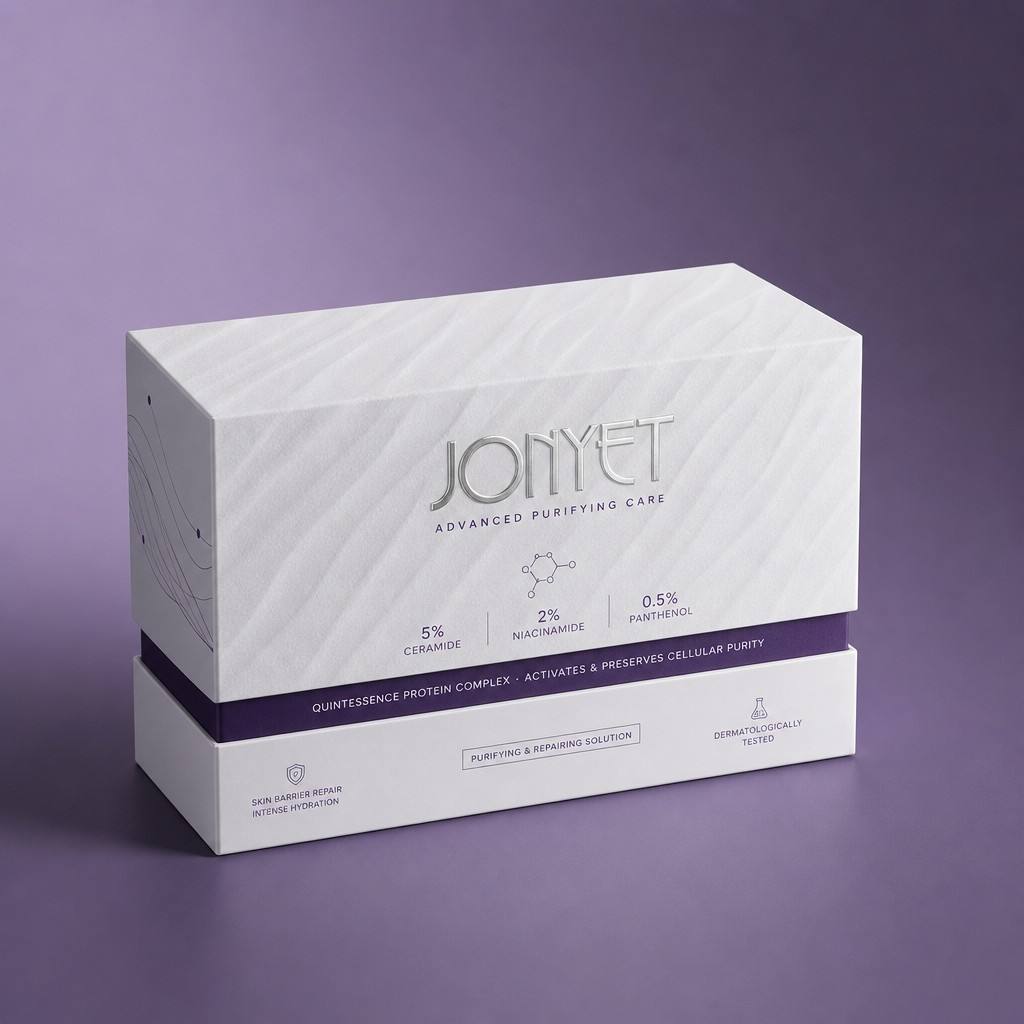
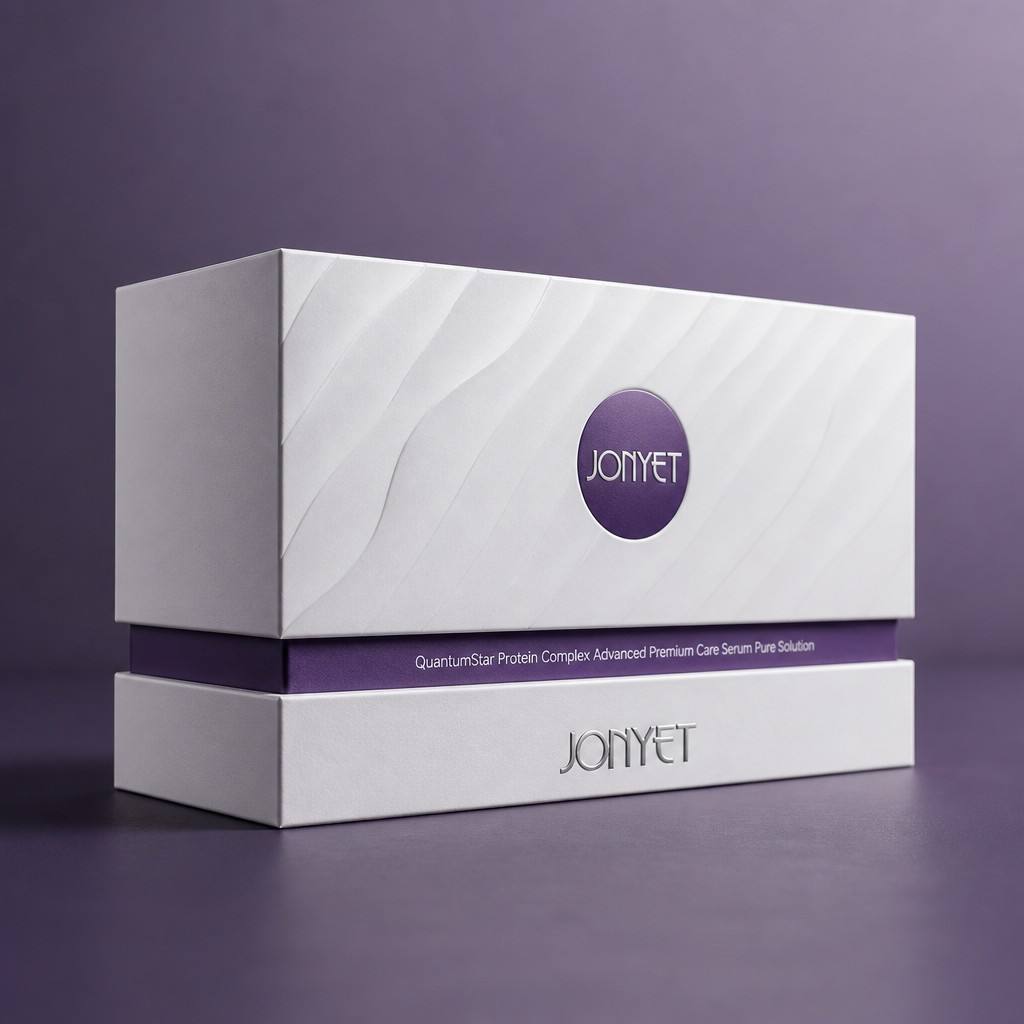
• 🏔️ Embossed Relief Lid — A Sculpted Surface, Not a Printed One: The white lid carries a raised, sculpted relief — flowing wave forms built into the surface itself, so the design is read as light and shadow moving across the lid rather than as ink on paper. Emboss relief is also tactile: the lid is meant to be picked up and handled, and the pattern registers under the fingertips before it registers to the eye.
• ✨ Silver Hot Foil on White — Restraint as the Luxury Signal: The wordmark and the product line are hot-foil stamped in silver against the matte white lid, with further foiled marks on the base. Foil on white behaves quite differently from foil on black: instead of a single bright point in darkness, the mark reads as a soft metallic sheen that appears and disappears as the box is angled. It is the quieter, cleaner expression of the same technique.
• 🟣 A Purple Band and a Purple Tray — Colour Used as Structure: The box is built on a three-band composition — white lid, purple band at the joint, white base — and the insert tray is wrapped in the same purple. Colour is doing structural work here: it separates lid from base at a glance, ties the tray to the outer pack, and gives the interior reveal a designed moment instead of a plain cavity.
• 📐 A Clinical Information Architecture: The sample layout demonstrates how much information this format can carry without looking crowded — a hero wordmark and product line on the lid, an ingredient callout row with quantified actives and a molecular mark, a claim band across the joint, and function badges on the base front, with the fill count and volume set on the base. For unit-dose skincare, where dose, actives, and treatment protocol all have to be communicated, the box becomes the primary information surface.
• 🧩 Custom Cavity Count, Ampoule Format and Layout: The 10-cavity single-row tray shown is one configuration among many. Cavity count and arrangement are specified to your set — 6, 7, 10, 14, 28, in a single row, two rows, or a stepped multi-tier layout — with the cavity diameter and depth cut to your ampoule, and an optional second layer for a leaflet, a dropper, or a second product.
• 🛡️ Built to Carry Glass and Plastic Unit-Dose Containers: Cavity fit, tray depth, and board rigidity are specified together so the ampoules are held rather than loose — no rattle, no glass-to-glass contact, no movement in transit. The lid-and-base construction also means the tray cannot be compressed from above, which is the failure mode that breaks unit-dose vials in a folding carton.
• 📦 MOQ 1,000 pcs — A Workable Entry for a Rigid Box: Rigid boxes are produced on a different basis from folding cartons, so their minimums are normally far higher. At an indicated MOQ of 1,000 pcs, this single-dose format becomes available for a first unit-dose launch, a professional kit, or a limited treatment set — not only to large established accounts.
🎨 Appearance & Aesthetic Design: Sculpted White, One Purple Band, One Silver Mark
The Single-Dose Ampoule Box Series is designed for brands whose packaging should feel clinical, clean, and unmistakably premium.
• The Lid as a Sculpted Object: The embossed wave relief turns the lid into a surface with form. Because the pattern is raised rather than printed, it holds up under raking light — in photographs it reads as soft tonal banding across the white, and in the hand it reads as texture. It is a decoration that cannot fade, misprint, or go out of register.
• The Three-Band Composition: White lid, purple band, white base — a vertical rhythm that makes the box look taller and more deliberate than its dimensions. The purple band sits exactly at the lid–base joint, which is the one place the eye already goes to look for the opening; using colour there turns a manufacturing seam into a design feature.
• Colour as Continuity Into the Interior: The insert tray is wrapped in the same purple as the joint band, so opening the box does not switch to a different palette — the interior continues the exterior. That continuity is what makes the tray read as part of the packaging rather than as transit protection.
• Silver Foil on White, Held Back: The foil is used sparingly — a wordmark, a product line, a small mark on the base. On a clean white surface that restraint is essential: the foil works because the surrounding surface is quiet, and the eye has nothing else to compare it to.
• A Layout That Can Carry a Claim Panel: Quantified actives set in a tidy row, a claim band across the joint, and function badges on the front — the samples show the format absorbing a full skincare claim architecture without looking like a leaflet pasted onto a box. That is the layout to design a unit-dose product around, because unit-dose buyers read labels.
• On the Sample Artwork: The boxes shown carry the JONYET branding, with sample ingredient limits, product names, claim bands, and function badges used to demonstrate layout and decoration capability. All artwork, ingredient percentages, claim statements, and testing marks are samples only and must be verified and replaced by your own.
🛠️ Technical Specifications
Precision-engineered for rigid construction, unit-dose cavity fit, and safe containment of small-format containers.
Specification | Details
Box Type | Rigid Lid-and-Base Box — Two-Piece Construction (Full-Cover Lid + Base), Lifts Straight Off Also Known As | Lid-and-Base Box, Top-and-Bottom Box, Telescoping Rigid Box Primary Application | Single-Dose / Unit-Dose Ampoule Sets (次抛) — as Shown Ampoule Format Shown | 10 Unit-Dose Ampoules × 2 mL / 0.07 fl. oz. as Printed on the Sample Insert | Die-Cut Cavity Tray, 10 Cavities in a Single Row as Shown; Lifts Out as One Unit Cavity Count & Layout | Any Count and Arrangement per Project — Single Row, Multi-Row, Stepped or Multi-Tier Construction | Rigid Board Core, Fully Wrapped; Board Thickness Specified per Project Exterior | White Textured Wrap as Shown; Embossed Relief Pattern on the Lid as Shown; Further Colours and Materials on Request Decoration | Silver Hot-Foil Stamping as Shown; Printed Graphics and Copy Panels; Purple Band at the Lid–Base Joint as Shown Interior | Purple-Wrapped Insert Tray as Shown; Further Lining Colours on Request Tray Lift | Tray Lift-Out Fit Set for the Intended Feel (Hand-Lift or Lift Ribbon on Request) Lid Fit | Telescoping Clearance Set to the Intended Feel, Confirmed on Sampling Format Options | Portrait, Landscape and Long Low Proportions; Any Size Produced to Your Set Custom Size | Any Length, Width and Depth — Cut to Your Product and Cavity Layout Custom Colour | Wrap Colour, Band Colour, Tray Colour and Foil Colour Specified per Project Custom Material | Wrap and Board Substrate Specified per Project (Textured, Matte, Coated, Uncoated and Further Options Quoted) Custom Content | Brand Mark, Product Name, Active Ingredient or Claim Panel, Function Badges, Dose and Fill Count, Barcode or QR, Batch and Date Fields, Multi-Language Copy MOQ | 1,000 pcs (per box specification — for multi-SKU ranges, ask your account manager about setting it against the total quantity across the family) Sampling | Pre-Production Sample and Printed Proof Supplied for Approval Compliance Documents | To be confirmed per project and destination market
• Note: No dimensions are published for this box, because every box and cavity tray is produced to the client's own product — the cavities are developed from your ampoule (a drawing or a physical sample), and the lid-to-base and tray lift fits are confirmed during sampling. The ampoule count, volume, and ingredient percentages shown are the sample's printed artwork, not fixed specifications. Artwork, marks, claim statements, active percentages, and any testing or efficacy marks shown are samples only and must be supplied and verified by the brand for each destination market. A pre-production sample is supplied for approval before mass production.
🌈 Full Customization & OEM/ODM Services
Every element of this box is a specification you control — the samples are a demonstration, not a fixed product.
• Custom Cavity Layout — the Core of a Unit-Dose Box: The cavity count, spacing, and arrangement are the first decision, and they follow your dosing protocol — a 7-ampoule weekly course, a 10-ampoule treatment count, a 14-day or 28-day cycle. Cavity diameter and depth are cut to your ampoule, whether it is a twist-off plastic vial, a glass ampoule, a dropper format, or a sealed sachet in a rigid holder.
• Custom Tray Structure and Layers: Single-level tray as shown, or a two-level build with the ampoule tray above and a leaflet, mirror, or second component layer below. The tray can be supplied as a lift-out insert, or fixed into the base with a lift ribbon or notch for removal.
• Custom Size and Lid Fit: Any length, width, and depth, with the lid-to-base telescoping clearance set to the opening feel you want — firm enough to hold closed, free enough to lift off with one hand. That tolerance is confirmed on a physical sample, not on a drawing.
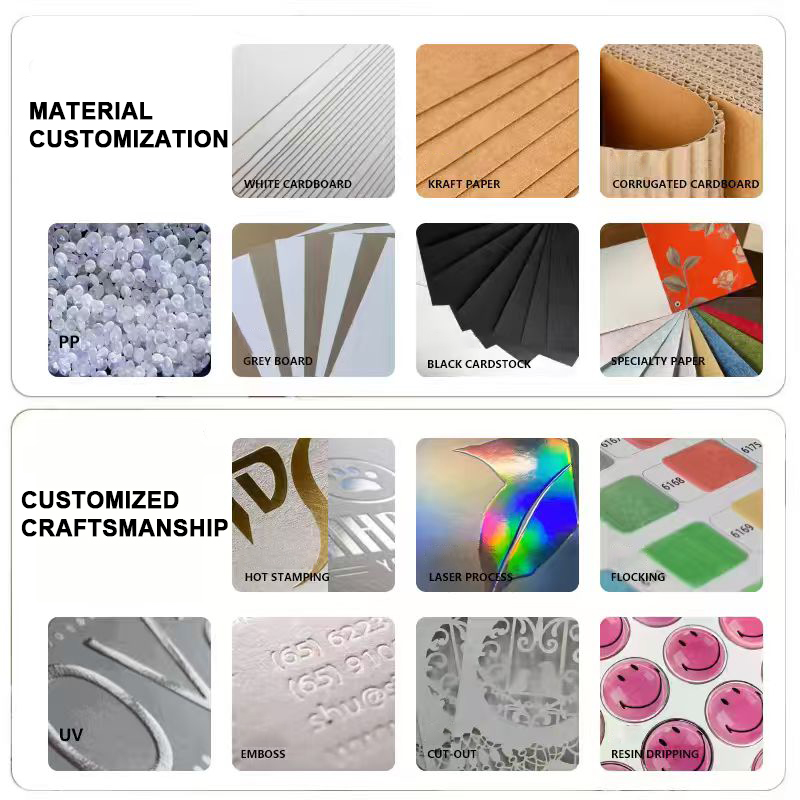
• Custom Colour and Finish: White with silver foil as shown, or any wrap colour and foil colour combination, with the joint band and tray used as accent colours. The embossed relief pattern on the lid is specified to your own design — its direction, scale, and depth are part of the artwork brief rather than fixed tooling.
• Custom Material: Wrap and board substrate are specified per project — textured, matte, coated, uncoated, or a non-paper alternative — with the ribbon, band, and interior lining selected to match.
• Custom Artwork and Legal Panel: Brand mark, product line, active ingredient or claim panel, function badges, dose and fill count, batch and date fields, barcode or QR code, multi-language copy, and any market-required marking — laid out and proofed at production size so small type and code elements stay legible and scannable.
• One-Stop Bundle with Ampoules, Bottles, Labels and Cartons: Order the box with the container it was designed for and everything arrives matched — one supplier, one quality standard, one delivery, and a cavity tray cut to the ampoules that actually ship, not to a drawing of them.
• MOQ and Range Economics: Indicated MOQ 1,000 pcs per specification. For a range built on one box system — the same wrap, band, and tray across several cavity counts — ask your account manager about treating the family as a single production quantity, so several SKUs can be launched from one minimum.
🧴 Core Applications: Where Unit-Dose Boxes Excel
The lid-and-base construction, cavity tray, and clinical layout make this box the strategic choice for:
• Single-Dose Ampoule Serums and Concentrates — Primary Application: The application shown — 10 unit-dose ampoules presented upright in a die-cut tray, revealed in full when the lid lifts off. Face serums, boosters, essences, and high-activity concentrates sold as a fixed count.
• Treatment Courses and Cycle Packs: Unit-dose formats sold as a course — a 7-day, 14-day, or 28-day programme — where the box has to show progress and count at a glance, and the cavities can be arranged to follow the cycle.
• Professional and Clinic Take-Home Kits: Ampoule sets dispensed after a treatment, where a clean clinical presentation and an unobstructed tray support the professional positioning of the product.
• Multi-Step Routine and Day/Night Sets: Two-level and multi-cavity layouts holding a full ritual — a morning ampoule and an evening ampoule in separate trays, with the lid carrying the protocol.
• Travel, Sample and Trial Formats: Small-format boxes holding two or three unit-dose vials, where one box structure scales down without losing the identity — the standard way to place a new active with a distributor or in a sampling programme.
• Eye, Lip and Spot-Treatment Ampoules: Small-volume unit-dose formats where the cavity holds a narrower vial, and the dose-per-use claim is the central message.
• Hair, Scalp and Body Concentrates: Unit-dose ampoule treatments for scalp serums and body concentrates, where the fixed count maps directly to a treatment schedule.
• Wellness and Functional Unit-Dose Formats — Adjacent Application: Unit-dose liquid shots and concentrated formats in adjacent categories, where the same tray-and-lid architecture applies; nutrition labelling and market-specific requirements are confirmed per project.
• Limited Editions and Collaboration Kits: A fixed, count-based presentation format that suits numbered or limited runs, with the wrap, band, and foil re-specified per edition.
💎 Why Choose Us as Your Custom Box Supplier?
• Cavity Tolerance for Unit-Dose Containers: A unit-dose ampoule is the least forgiving thing to pack — narrow, light, and prone to tipping. We set cavity diameter, depth, and entry chamfer so each ampoule drops in, stands upright, and is gripped without being wedged, and so glass vials never touch each other.
• Lid-and-Base Clearance Control: A telescoping lid has to hold closed in transit and lift off easily in the hand — a distance of a fraction of a millimetre. We set and verify that clearance, so the lid behaves identically on box 1 and box 10,000, which is the single most common failure in cheap lid-and-base boxes.
• Emboss Relief Registration: A raised pattern on a lid has to sit correctly against the foiled mark and any printed panel, with consistent depth across the run. We control relief position and depth against the approved sample so the lid reads as designed, not as a tooling accident.
• Tray Lift-Out Fit: The insert has to sit securely in the base yet come out cleanly when the customer lifts it. We verify tray-to-base fit and any lift notch or ribbon, so the tray releases without tearing the wrap or dragging the ampoules.
• Protective Fit for Glass and Plastic: Cavity depth, tray height, and lid clearance are specified together so the product is held away from the lid and cannot be compressed — the failure that breaks unit-dose vials in folding cartons.
• Foil and Colour Consistency Across Reorders: White and pale wraps are unforgiving — a batch slightly different in tone, or a foil slightly different in sheen, reads as a different product. Wrap tone, band colour, tray colour, and foil are held to an approved reference sample so a reorder months later still matches.
• Physical Sample Before Production: Every project is approved on a pre-production sample and printed proof on the specified material, so the lid fit, tray fit, cavity grip, relief, and foiling are all confirmed on a real box before mass production.
• One-Stop Bundle, One Quality Standard: Supplying the ampoule, the label, and the box from the same house removes the most common failure in unit-dose packaging — a tray cut for a container produced to a slightly different tolerance, which is what causes broken vials and returns.
• 10+ Years of Cosmetic Packaging Expertise: Backed by 1,000+ mature mould sets and ISO9001 quality management, we have delivered integrated packaging solutions for over 10,000 global beauty brands — and the same engineering discipline is applied to the box, tray, and cavity programme.
 EN
EN