 EN

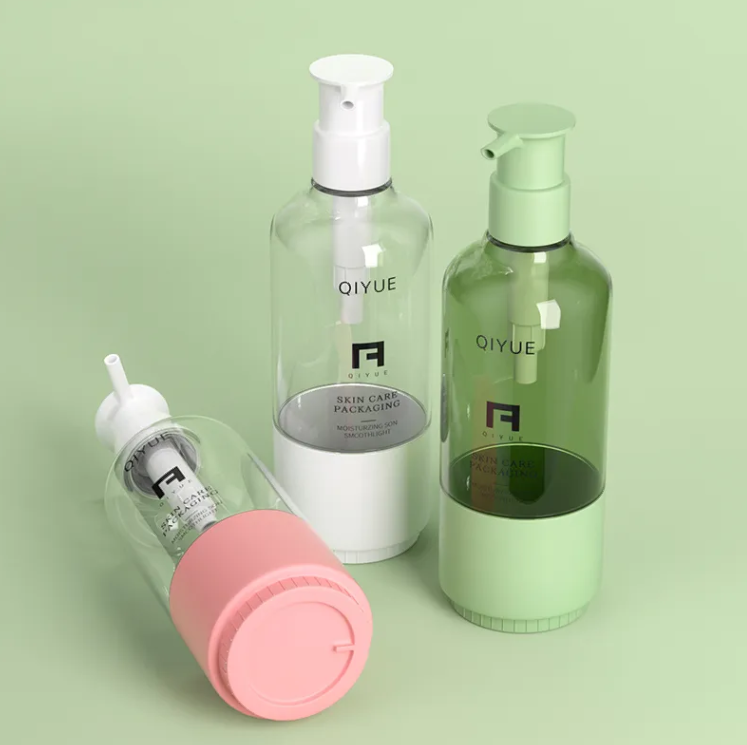
Why the Material Choice Shows Up on the Filling Line
A custom shampoo bottle has to do more than look good in a mood board. It has to survive a filling line, a warehouse, a shower shelf, and a formula that may contain surfactants, salts, fragrance oils, and acids. That is why HDPE and PETG keep showing up in custom shampoo bottle manufacturing. Both resins can be molded into attractive shapes, but they solve different problems. Picking between them is less about fashion and more about which failure mode the brand can tolerate.
HDPE Brings Chemical Resistance and Squeeze-Friendly Durability
High-density polyethylene is the workhorse. It handles many surfactant-based formulas well, resists impact, and can be squeezed without cracking. Extrusion blow molding and injection molding both work, so shapes can range from simple cylinders to ergonomic curves. The material is naturally opaque or can be pigmented, which helps protect light-sensitive ingredients and hides label imperfections. ASTM D1693 is commonly used to evaluate environmental stress cracking resistance in ethylene plastics, and that test matters for a bottle that will sit in a wet shower for months. The tradeoff is clarity. HDPE does not deliver glass-like transparency, and its surface can feel waxy compared with PETG.
PETG Delivers Clarity and Design Freedom With Tradeoffs
PETG, a glycol-modified polyester, gives the transparent, glossy look that many premium shampoo brands want. It accepts thick walls, sharp shoulders, and complex geometry, and it shows color and decoration cleanly. Chemical resistance is generally good for many cosmetic formulas, though concentrated surfactants and some fragrance oils need compatibility testing. ASTM D543 covers chemical resistance testing for plastics and is a useful reference when a formula is aggressive. The limits are real. PETG has a lower heat deflection temperature than HDPE, so hot filling and summer storage can distort thin sections. It scratches more easily, and residual stress from molding can lead to stress cracking if wall thickness and annealing are not controlled. It also costs more per unit than HDPE in most markets.
A Side-by-Side Look at the Two Resins
The table below is a practical comparison for a 400ml shampoo bottle project. Figures are illustrative and should be confirmed with actual mold trials.
| Factor | HDPE | PETG |
|---|---|---|
| Unit cost index | 100 | 125 to 145 |
| Clarity | Opaque or pigmented | High clarity, glossy |
| Chemical resistance | Strong for many surfactant formulas | Good, formula-specific testing needed |
| Impact resistance | High | Moderate, can crack under stress |
| Heat resistance | Good for typical filling | Lower, watch hot fill and storage |
| Design freedom | Strong for ergonomic shapes | Strong for thick-wall premium shapes |
| Scratch resistance | Good | Lower, needs handling care |
| Recycling stream fit | Established HDPE stream | Less established in some regions |
The table does not crown a winner. It shows where each resin earns its place. A brand selling a family shampoo in a large squeeze bottle may find HDPE the better value. A premium line that needs to show a pearlescent formula through a thick transparent wall may justify PETG despite the cost and handling care.
What a Real Custom Bottle Project Revealed
A personal care brand in southern China once planned a premium anti-dandruff shampoo in a transparent PETG bottle with a thick shoulder. The prototype looked sharp. The first production batch passed a visual check, but two weeks after filling, the contract manufacturer found hairline cracks near the shoulder on about 2% of units. The formula contained a high level of surfactant and the bottles had been molded with a thick section that cooled unevenly. Residual stress plus chemical attack caused environmental stress cracking. The fix involved changing gate location, adjusting annealing, and running a compatibility trial with the actual formula. The launch slipped by three weeks. The case does not mean PETG is a bad choice for shampoo. It means the resin has to be validated against the formula and the mold design, not just the mood board.
How to Match Resin Choice to the Product and Channel
The practical selection process starts with the formula, then the fill method, then the channel. 1. Check the formula for surfactants, salts, fragrance oils, and acids, and run a compatibility test with the actual resin and wall thickness. 2. Confirm the fill temperature and storage conditions, because PETG needs more care with heat than HDPE. 3. Match the clarity requirement to the brand position, since opaque HDPE can be a feature when the formula is light-sensitive. 4. Consider the recycling stream and the region where the bottle will be sold. A mono-material HDPE bottle may fit established collection better, while PETG may need a different end-of-life story. Neither resin is universal. The right choice depends on the failure mode the brand can least afford.
Qiyue Industrial has spent over a decade building cosmetics packaging programs that keep resin selection, mold design, and decoration decisions under one roof, which helps brands test HDPE and PETG against real formulas before a launch goes live.
Table of Contents
- Why the Material Choice Shows Up on the Filling Line
- HDPE Brings Chemical Resistance and Squeeze-Friendly Durability
- PETG Delivers Clarity and Design Freedom With Tradeoffs
- A Side-by-Side Look at the Two Resins
- What a Real Custom Bottle Project Revealed
- How to Match Resin Choice to the Product and Channel