 EN

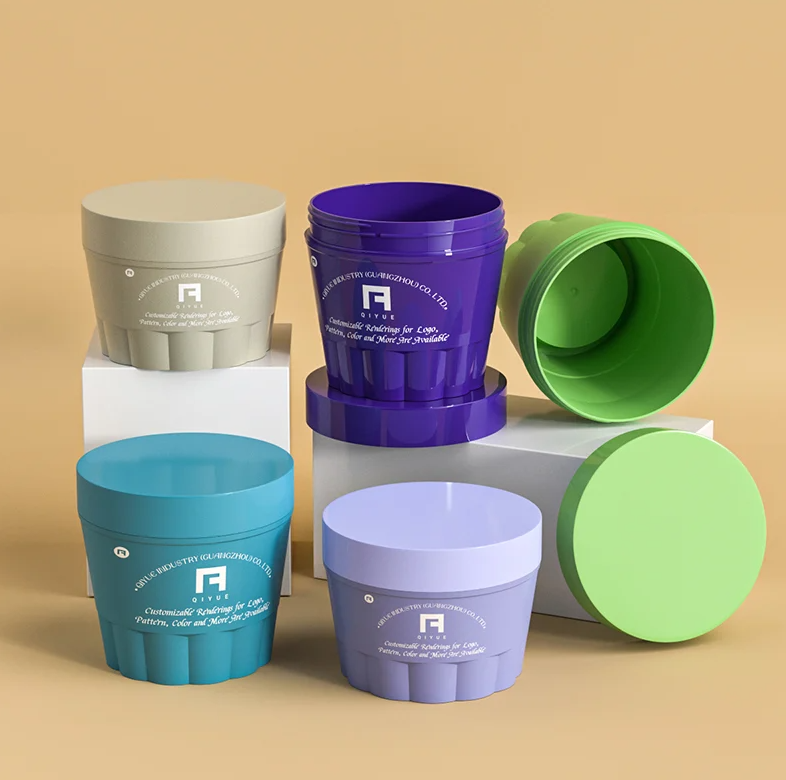
Luxury Now Means Proof, Not Just Polish
In 2026, choosing luxury cosmetic packaging is less about picking the shiniest sample and more about proving the pack can survive a real supply chain. Brands still want weight, texture, and shelf presence. Buyers now ask for material data, decoration adhesion test results, refill compatibility, and end-of-life claims that hold up under scrutiny. The shift is practical. A premium pack that scuffs in transit or fails a cap torque check stops being premium at the filling line.
Material Choices That Carry the Right Weight
Glass, heavy-wall PET, aluminum, and refillable engineering plastics all read as premium for different reasons. Glass gives heft and chemical inertness, but freight cost and breakage risk climb. Heavy-wall PET can mimic glass at lower weight, though wall thickness distribution and annealing matter. Aluminum looks technical and protects light-sensitive formulas, but denting and internal coating compatibility need testing. Refillable systems signal responsibility, yet they only work if the refill is easy and the outer pack survives repeated use. A material is not luxury by itself. The finish, tolerance, and consistency make it feel that way.
Decoration Techniques That Survive the Shelf
Hot stamping, screen printing, soft-touch coating, metallization, and embossing can lift a bottle from ordinary to gift-worthy. Each adds a failure mode. Soft-touch coatings can scuff and show fingerprints. Metallization can flake at edges. Hot stamping on curved surfaces drifts if the fixture is loose. A decoration that looks flawless in a sample room may fail after a few weeks under retail lighting or a damp warehouse. Buyers should ask for adhesion tests, abrasion tests, and accelerated aging data, not just a pretty prototype.
Refill and Mono-Material Systems Are Moving From Nice to Necessary
Regulatory pressure is reshaping premium packaging choices. The EU Packaging and Packaging Waste Regulation (PPWR), Regulation (EU) 2025/40, sets recycling and reuse requirements that will affect brands selling into Europe. Mono-material designs and refill systems are no longer niche. They are becoming part of the luxury brief. The caveat is real: a refill pack that leaks or a mono-material bottle that cannot hold a fragrance oil is not sustainable, it is just a different failure. Compatibility and consumer experience still decide whether a system works.
The Cost Table Buyers Should Actually Use
Unit price is a poor guide for luxury cosmetic packaging. A better comparison uses total cost per saleable unit, including decoration yield, transit damage, and compliance risk. The table below is illustrative but follows patterns from sourcing reviews for a 100ml premium cream jar and bottle set.
| Factor | Glass jar with metal cap | Heavy-wall PET with refill | Aluminum bottle with pump | Mono-material PP with refill |
|---|---|---|---|---|
| Unit cost index | 100 | 78 | 92 | 70 |
| Perceived weight | High | Medium to high | Medium | Medium |
| Transit damage risk | High | Medium | Medium | Low |
| Refill compatibility | Limited | Good | Limited | Strong |
| Recycling stream fit | Good | Moderate | Good | Strong |
| Decoration failure risk | Medium | Medium | High | Low |
| 2026 compliance pressure | Medium | Medium | Medium | Low to medium |
The cheapest index is not automatically the best value. A glass jar with a poor decoration yield can cost more per saleable unit than a higher-priced mono-material system with stable output. The table also shows why refill design deserves early attention. Retrofitting a refill into an existing luxury pack often costs more than designing for it from the start.
A mid-sized skincare brand in southern China planned a 2025 launch of a premium serum in a heavy-wall PET bottle with a metallized shoulder and a soft-touch label. The prototype looked excellent. The first production run of 50,000 units passed incoming inspection. Two weeks after summer transit, the brand's warehouse team reported label edge lifting on roughly 8% of units. The cause was a combination of low surface energy on the metallized area and condensation during temperature swings. The fix involved a primer and a revised label adhesive, which added cost and delayed the launch by three weeks. The lesson was not that heavy-wall PET is wrong for luxury. The lesson was that decoration and material must be tested as a system, not as separate line items.
Supplier Questions That Separate Capability From Sales Talk
A supplier with real capability can explain how neck finish is measured, how decoration adhesion is checked, how refill fit is validated, and how batches are traced. A supplier that answers with general assurances is giving the buyer useful information. ISO 9001 certification is a baseline, not a guarantee, because it confirms a documented system, not the tightness of a specific process window. Buyers should ask for the actual control plan for the pack, not just the certificate. The same applies to compliance claims. A recycling claim needs a test method and a market context. Without both, it is marketing. The same discipline applies to luxury cosmetic packaging sourcing.
Qiyue Industrial has built over a decade of cosmetics packaging work around integrated R&D, design, and production, which helps brands test material, decoration, and refill choices as one system rather than a stack of separate promises.