 EN
EN

Clarify Core Standards That Define Truly Recyclable Skincare Packaging
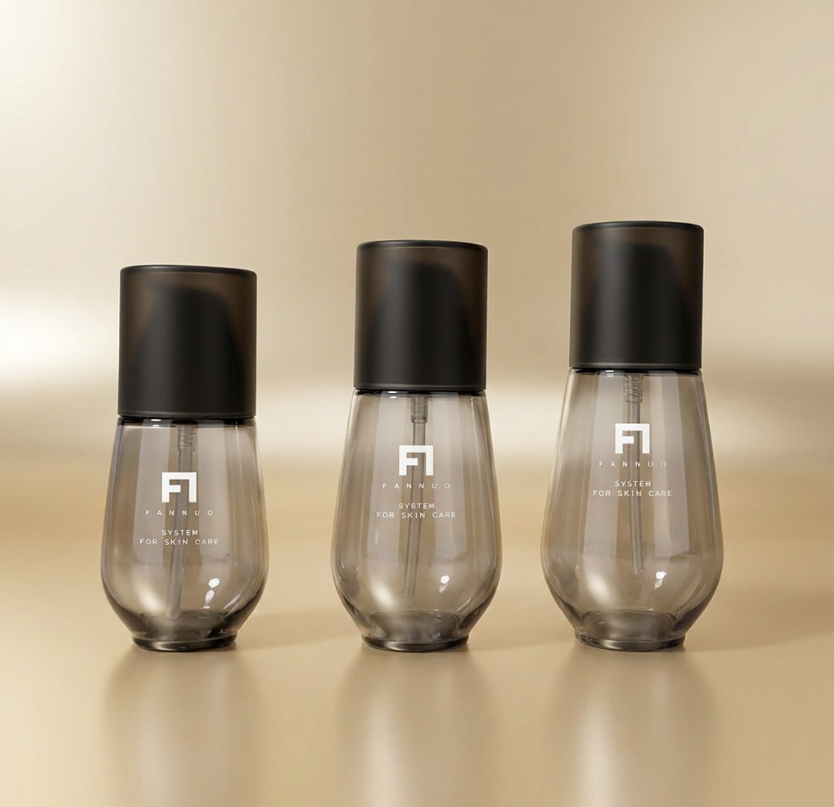
Many skincare brand operators misunderstand recyclable packaging concepts and use multi layer composite containers labeled eco friendly which fail formal waste sorting processing. Official standards including EU PPWR regulation EN15343 recycling certification and national GB23350 overpack code set unified judgment rules for qualified recyclable skincare packaging. Real cross border shipment cases fully expose the losses brought by misjudgment of recyclable design. A mid sized clean skincare brand exported toner and cream sets to European markets with plastic bottles glued to aluminum inner liners and inseparable multi material pumps. Local customs rejected all batches and imposed plastic tax fines because mixed metal plastic structures cannot enter standard recycling streams. Sustainable packaging specialists remind brand teams that genuine recyclable skincare containers must avoid permanent bonding of different hard materials and eliminate non separable composite layers. Any packaging combining unpeelable metal plastic film will be classified non recyclable under global waste management systems, triggering customs detention extra logistics fees and damaged brand reputation in overseas retail channels. Brands need to align all packaging development with unified international recyclability benchmarks before starting material and structural redesign.
Step One Optimize Material Selection For Full Recyclability
The foundational transformation step for recyclable skincare packaging lies in selecting single homogeneous materials compatible with industrial recycling facilities. Multiple eco friendly raw materials fit daily skincare product demands covering serums facial lotions sunscreens and moisturizer jars. Post consumer recycled PETG and HDPE serve as ideal bottle materials with stable chemical inertness that prevents skincare formula discoloration while cutting virgin plastic consumption. FSC certified thick paper replaces composite laminated gift boxes with traceable sustainable forest sources fully biodegradable after consumer disposal. Biodegradable soft plastic tubes suit travel sized skincare products without leaving micro plastic residues. Global cosmetic material testing data shows single material packaging cuts sorting labor cost by sixty percent at recycling plants compared to mixed composite containers. Brands should avoid multi material blends such as plastic bottles with glued metal inserts or multi layer barrier films that cannot be split through standard waste processing equipment. Matching product viscosity with suitable recyclable raw materials ensures both formula safety and full cycle recoverability without sacrificing shelf storage stability.
Step Two Redesign Structural Details To Remove Recycling Barriers
Even qualified eco raw materials lose recyclable value if container structures contain permanently attached heterogeneous components. Structural optimization targets full detachability of all auxiliary fittings to eliminate sorting obstacles for recycling workers and automated separation machinery. Pump caps flip tops and spray nozzles need simple twist or snap off designs instead of ultrasonic welding that locks metal and plastic together. Internal gaskets shall adopt identical plastic material matching bottle bodies rather than rubber mixtures hard to separate. Outer label printing uses easy peel adhesive without permanent glue residue that contaminates plastic flake recycling output. Industry packaging engineering experts note welded multi material fittings rank top factors leading recyclable bottles to waste incineration instead of material recovery. During prototype testing brands can simulate municipal waste sorting workflows to check separation efficiency of every accessory. Small structural adjustments such as replaceable single material pumps greatly raise overall container recycling rate without altering consumer daily usage experience of skincare products.
Step Three Upgrade Finishing Crafts To Meet Eco And Recycle Rules
Surface decoration processes largely determine whether recyclable skincare packaging maintains recoverable value after printing and coating. Traditional solvent ink composite film hot stamping with metal foil introduces extra mixed waste layers that ruin plastic recycling purity. Regulated eco finishing techniques including water based low VOC silk screen embossing and matte spray coating avoid non recyclable additive layers on bottle surfaces. EN15343 certification limits heavy metal content in all printing pigments while banning permanent metal foil lamination on plastic containers. FSC paper gift boxes apply water based varnish instead of plastic film wrapping to retain full paper recyclability without losing premium unboxing texture. Third party laboratory contrast tests show containers finished with composite metal film produce contaminated plastic fragments unable to remold into new packaging products. Brands need to adjust decoration specifications in early design phases to skip non compliant craft options that add recycling barriers and cross border inspection risks for global distribution orders. Balanced delicate brand presentation and pure recyclable material output becomes achievable through standardized eco surface treatment workflows.
Tangible Long Term Business And Environmental Benefits Of Recyclable Packaging
Switching fully recyclable skincare packaging brings measurable returns covering regulatory compliance consumer market performance brand ESG assessment and carbon emission reduction. EU plastic tax policy charges extra fees per kilogram of non recycled plastic while brands using EN15343 certified recyclable containers qualify for tax exemption cutting overseas operation expenditure greatly. Global beauty consumer surveys record sixty eight percent of skincare shoppers accept ten to twenty percent higher retail prices for products with clear single material recyclable packaging labels. Brands launching empty bottle take back recycling programs also lift customer repeat purchase rate by nearly thirty percent according retail sales tracking data. On environmental sides single material PCR plastic packaging reduces manufacturing carbon emissions by over forty percent compared to virgin composite plastic containers. Complete recyclable systems lower corporate waste disposal fees and help brands pass large retail chain ESG audit standards to gain priority shelf placement in global offline stores. Short term redesign investment gets fully recovered within twelve months through tax savings sales growth and reduced regulatory penalty risks for cross border skincare brands.
Professional One Stop Packaging Supplier Simplifies Recyclable Upgrade Workflow
Brands pursuing fast stable recyclable packaging transformation gain huge efficiency advantages cooperating with integrated manufacturers holding full eco production chains and Qiyue delivers mature all round skincare packaging support. Drawing ten years of specialized cosmetic packaging manufacturing experience Qiyue maintains complete recyclable raw material stock including PCR PETG HDPE biodegradable tubes and FSC sustainable paper paired with a library of more than one thousand mature molds covering all mainstream skincare container sizes. The factory operates closed loop production workshops equipped with water based low VOC printing embossing and eco coating equipment complying with international recycling certification standards. Every recyclable packaging prototype passes material homogeneity separation test and cross border compliance inspection against PPWR GB23350 rules before mass production. The full service chain covers early two and three dimensional eco packaging concept design mold making injection blowing structural optimization and final multi stage environmental quality control. Serving local clean beauty startups and international skincare enterprises Qiyue provides customized single material recyclable packaging schemes cutting brand transformation cycle and eliminating disjointed coordination between multiple raw material decoration and inspection vendors. Brands partnering with Qiyue launch fully compliant recyclable skincare lines faster while securing stable long term supply of eco containers that unlock global green market business gains.
Table of Contents
- Clarify Core Standards That Define Truly Recyclable Skincare Packaging
- Step One Optimize Material Selection For Full Recyclability
- Step Two Redesign Structural Details To Remove Recycling Barriers
- Step Three Upgrade Finishing Crafts To Meet Eco And Recycle Rules
- Tangible Long Term Business And Environmental Benefits Of Recyclable Packaging
- Professional One Stop Packaging Supplier Simplifies Recyclable Upgrade Workflow